
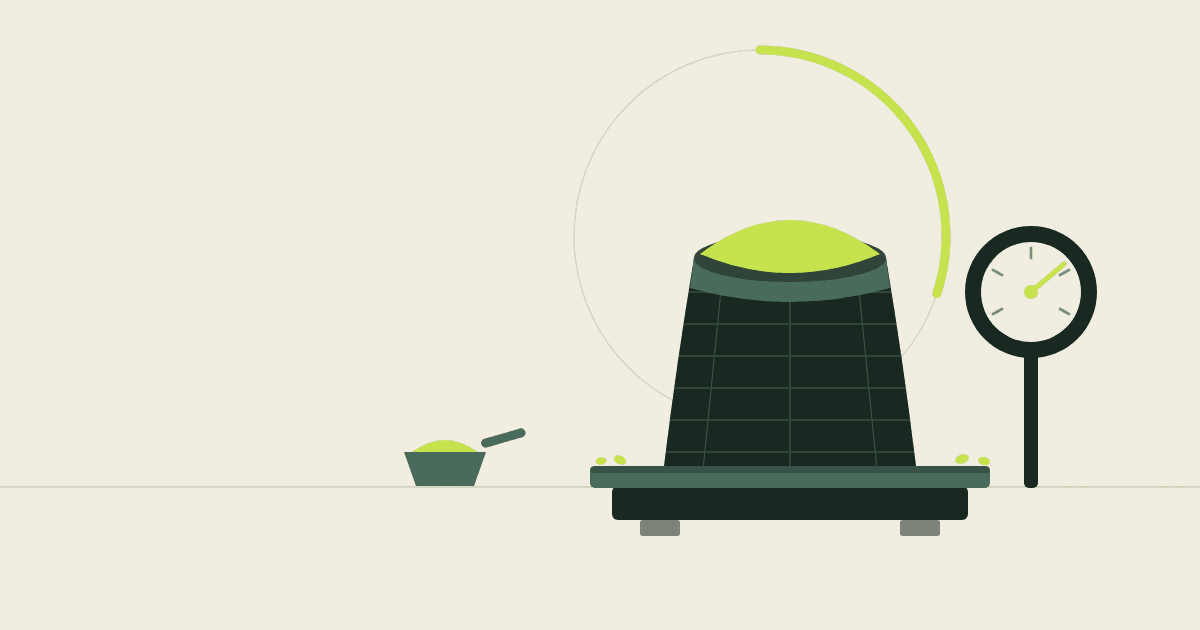
What food cost percentage should you run?
The industry says 28–35%. Here is how to calculate it properly, what Indian kitchens actually run in 2026, and the sourcing lever most operators never pull.
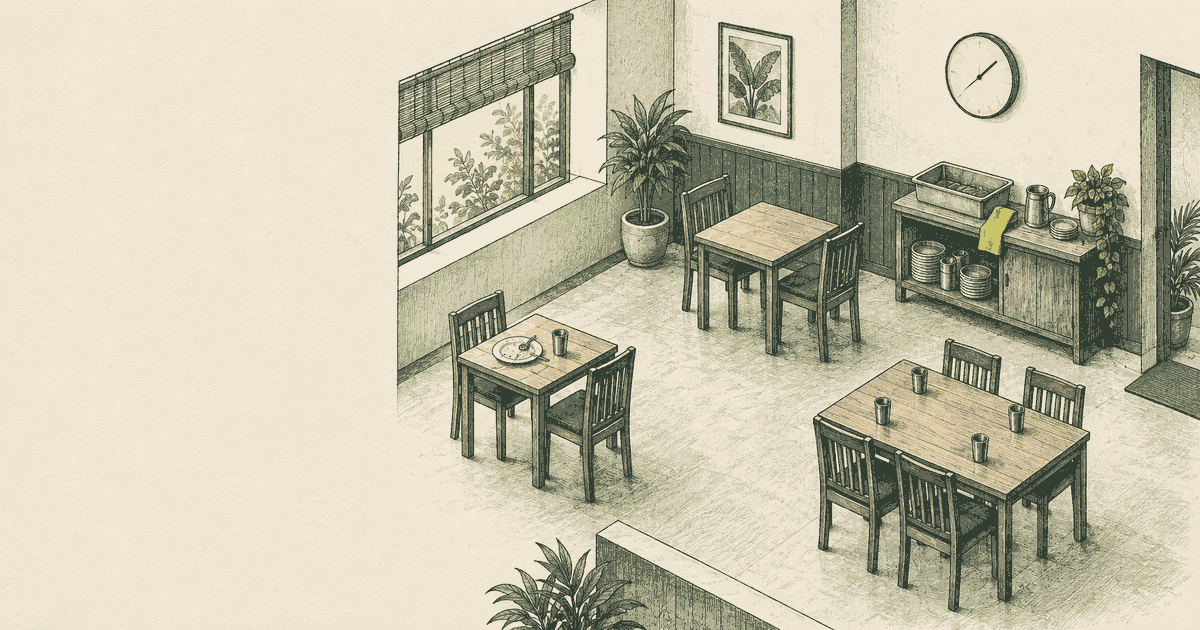
What RevPASH Tells a Restaurant
Calculate restaurant revenue per available seat-hour with a rupee example, then check seat counts, bill timing and service pace before changing operations.
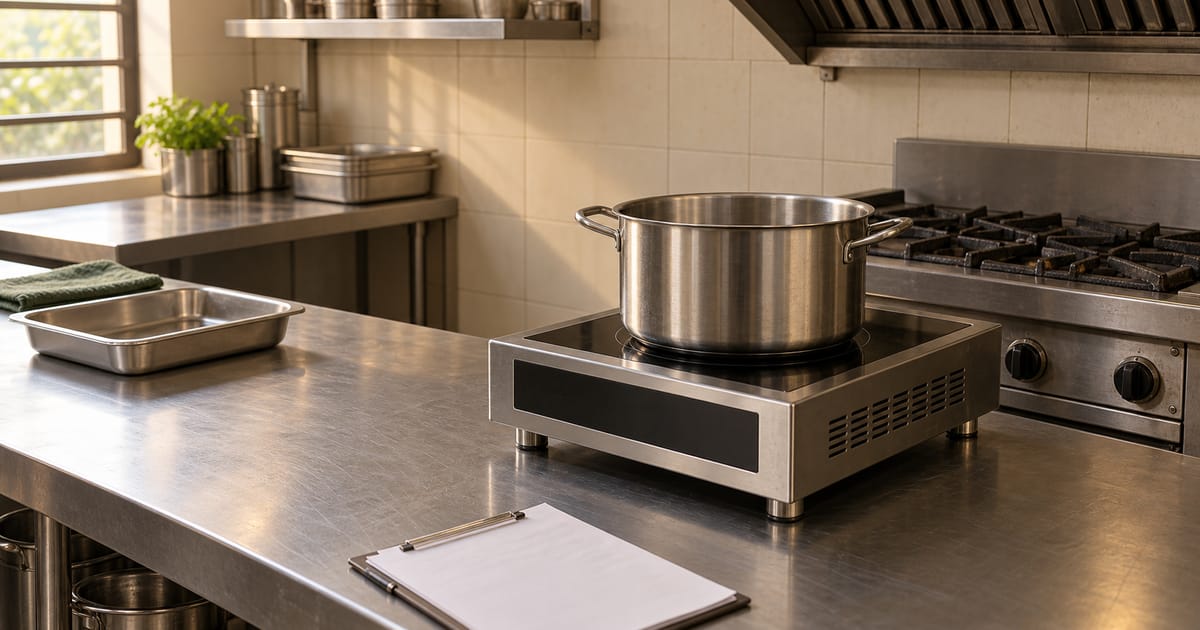
Induction or LPG for a Busy Kitchen?
Compare induction and LPG using your kitchen's batch cost, service capacity, cookware and power supply, without treating household savings as a promise.

Menu Engineering Beyond Food Cost
Compare menu contribution and sales mix with a worked rupee example, then check substitution, kitchen capacity and waste before changing a restaurant menu.
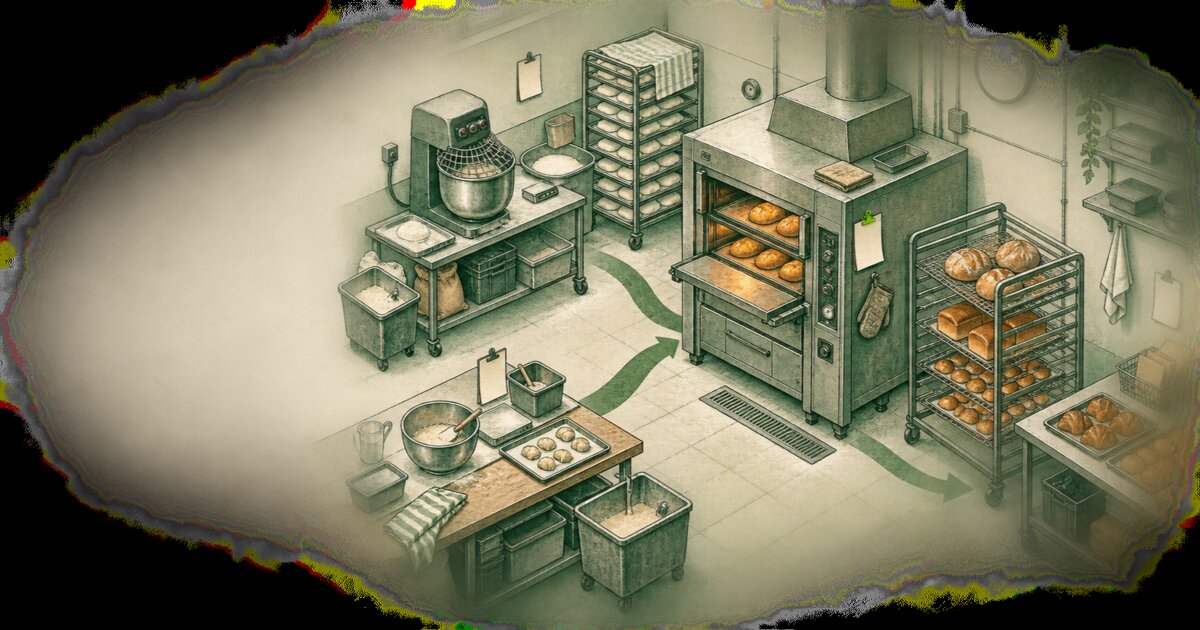
How to Plan Daily Bakery Production
Plan bakery batches from pre-orders, counter demand, batch yield, oven time and shelf life, then correct tomorrow’s plan with actual sales and waste.
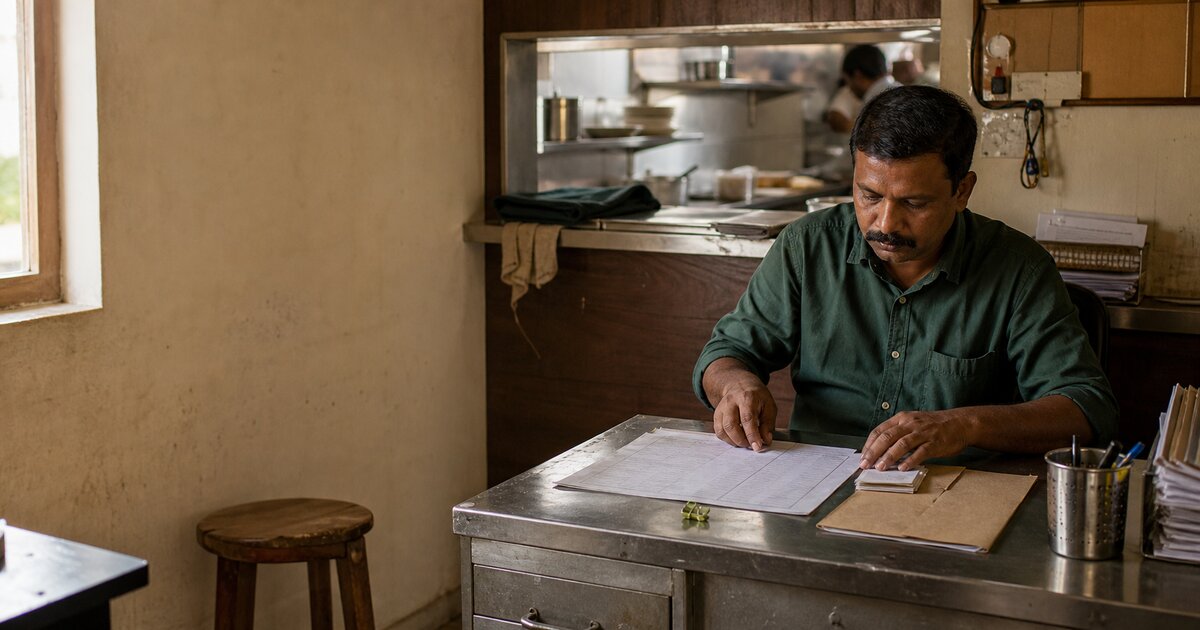
Why Restaurant Staff Leave in India
Restaurant retention starts with hours, pay clarity, contracts and training. Use a practical 30-day review grounded in Indian workforce evidence.
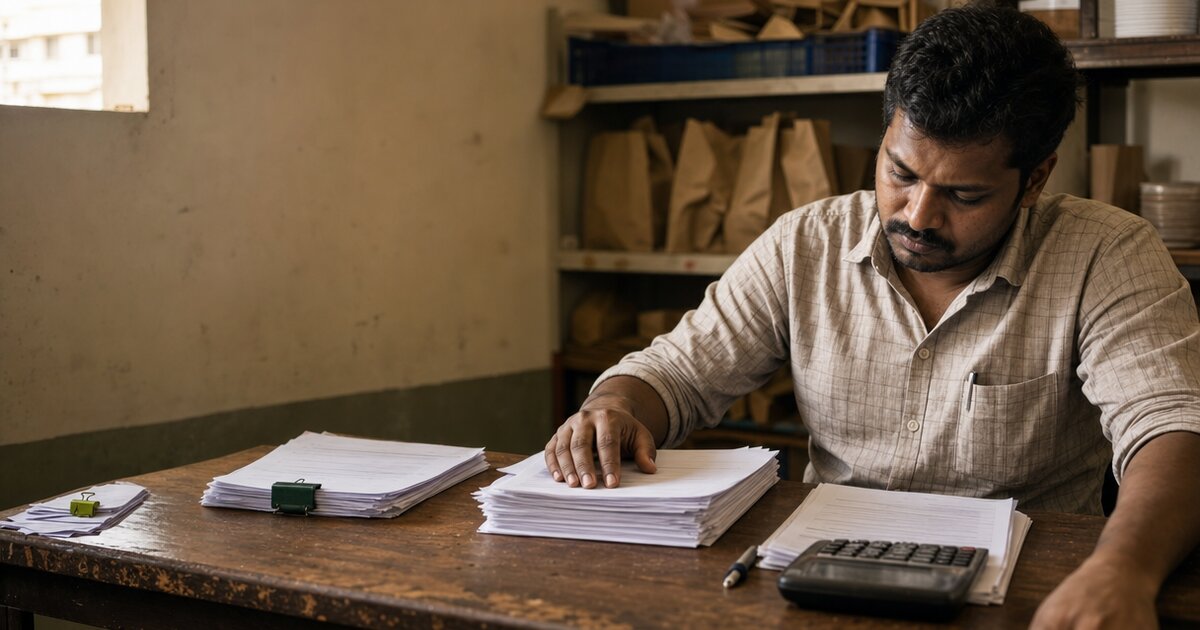
Why Delivery Sales Do Not Equal Payouts
Reconcile restaurant delivery orders, discounts, contracted charges, adjustments and bank credits without mistaking every payout gap for a loss.
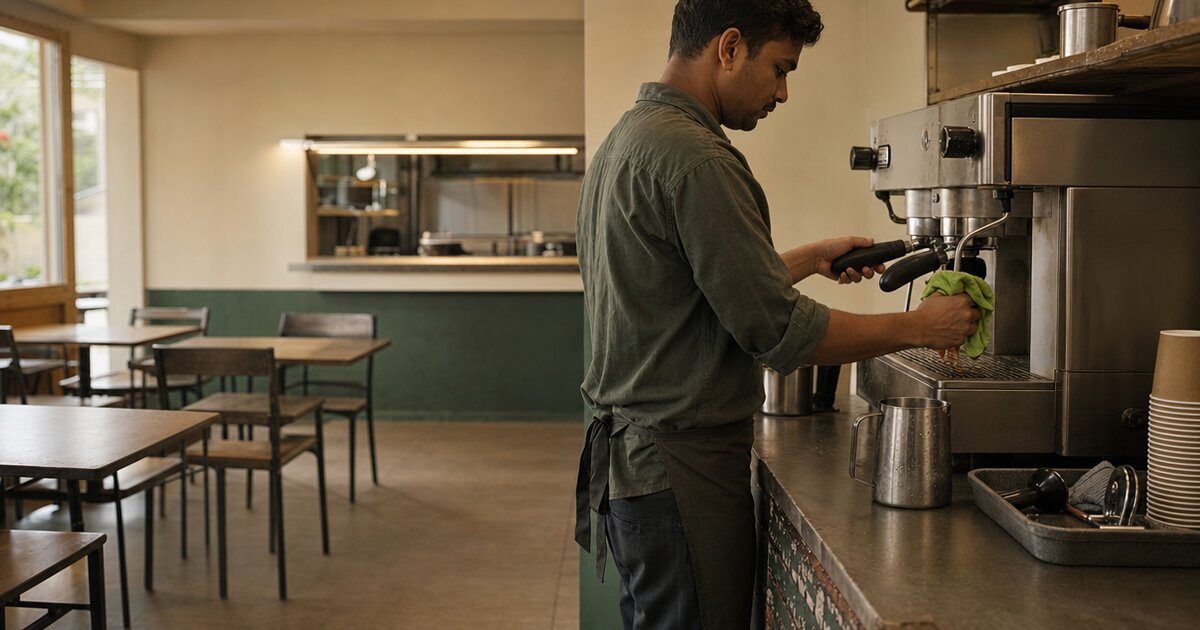
Why India's QSRs Are Adding Coffee
Indian QSR chains use coffee to reach quieter dayparts. Learn the contribution, service and waste checks that decide whether the menu earns its space.
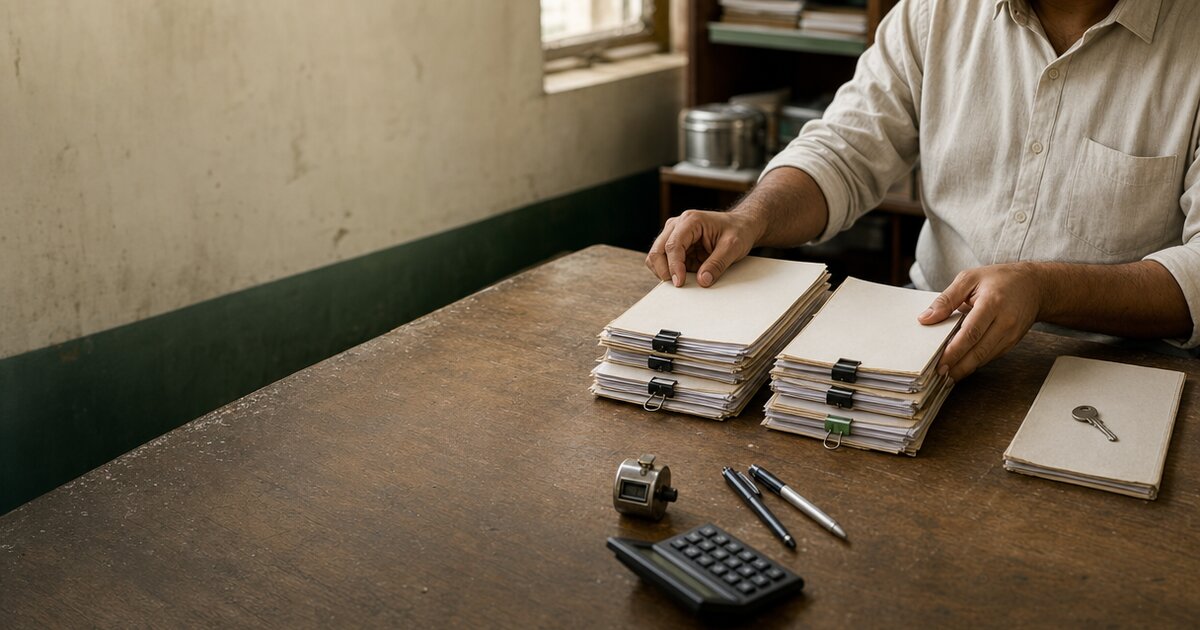
What Restaurant Same-Store Sales Show
Same-store sales separates mature-outlet growth from new openings. Learn the formula, its blind spots and five numbers to review before expanding.
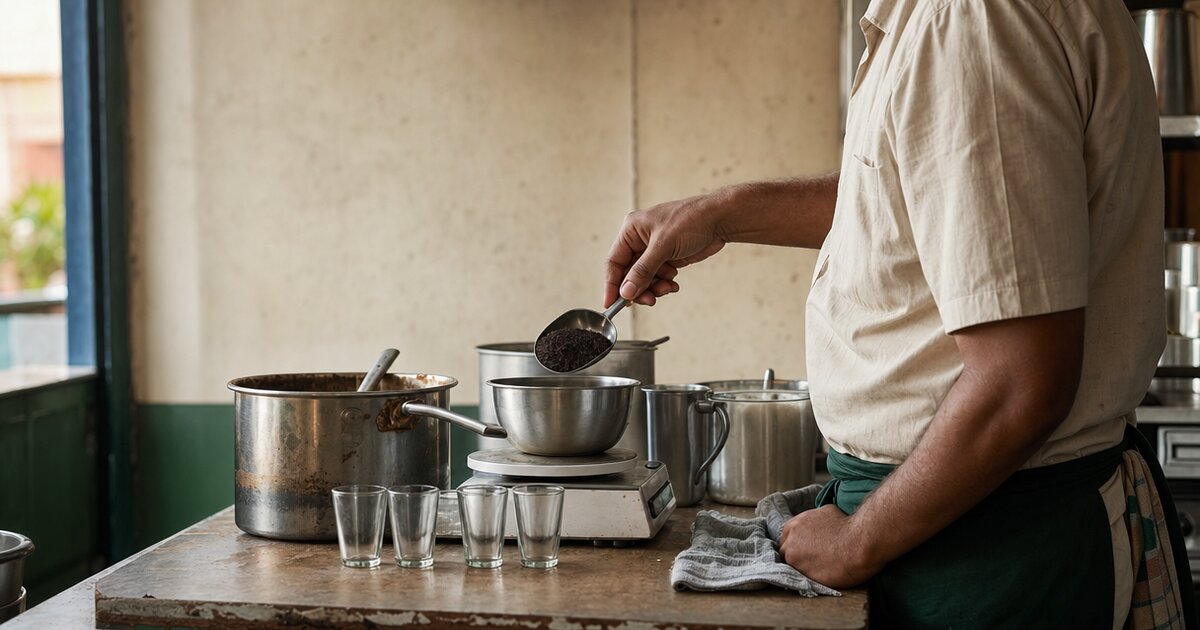
Tea cost per cup: count the whole batch
Calculate the real cost of one cup of tea from milk, tea powder, sugar, cups, fuel and batch yield; see what every wasted cup removes from margin.